How to Prepare Your Home for Termite Control Services
@lukasjdrz925
November 10, 2026 · 15 min read
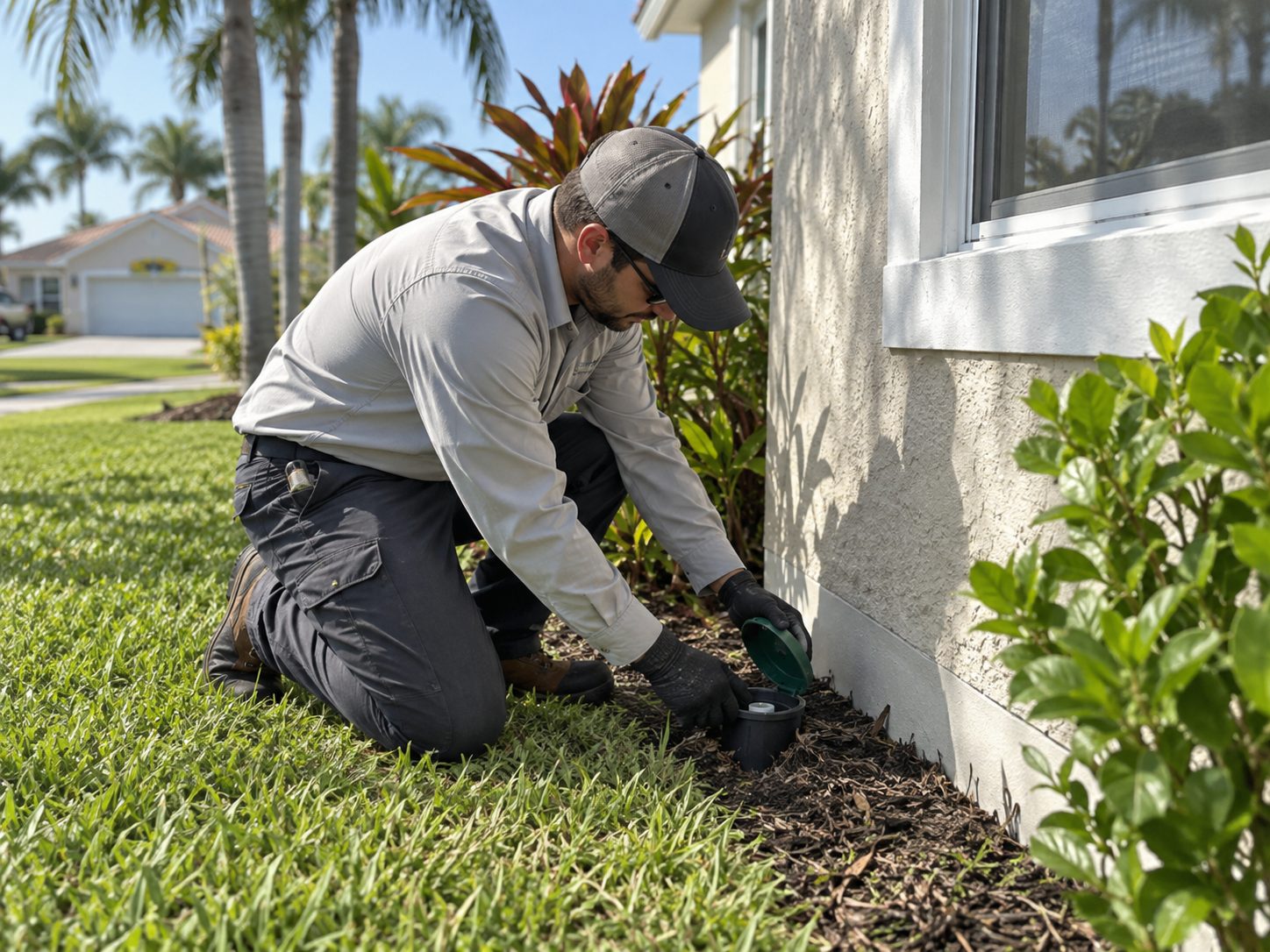
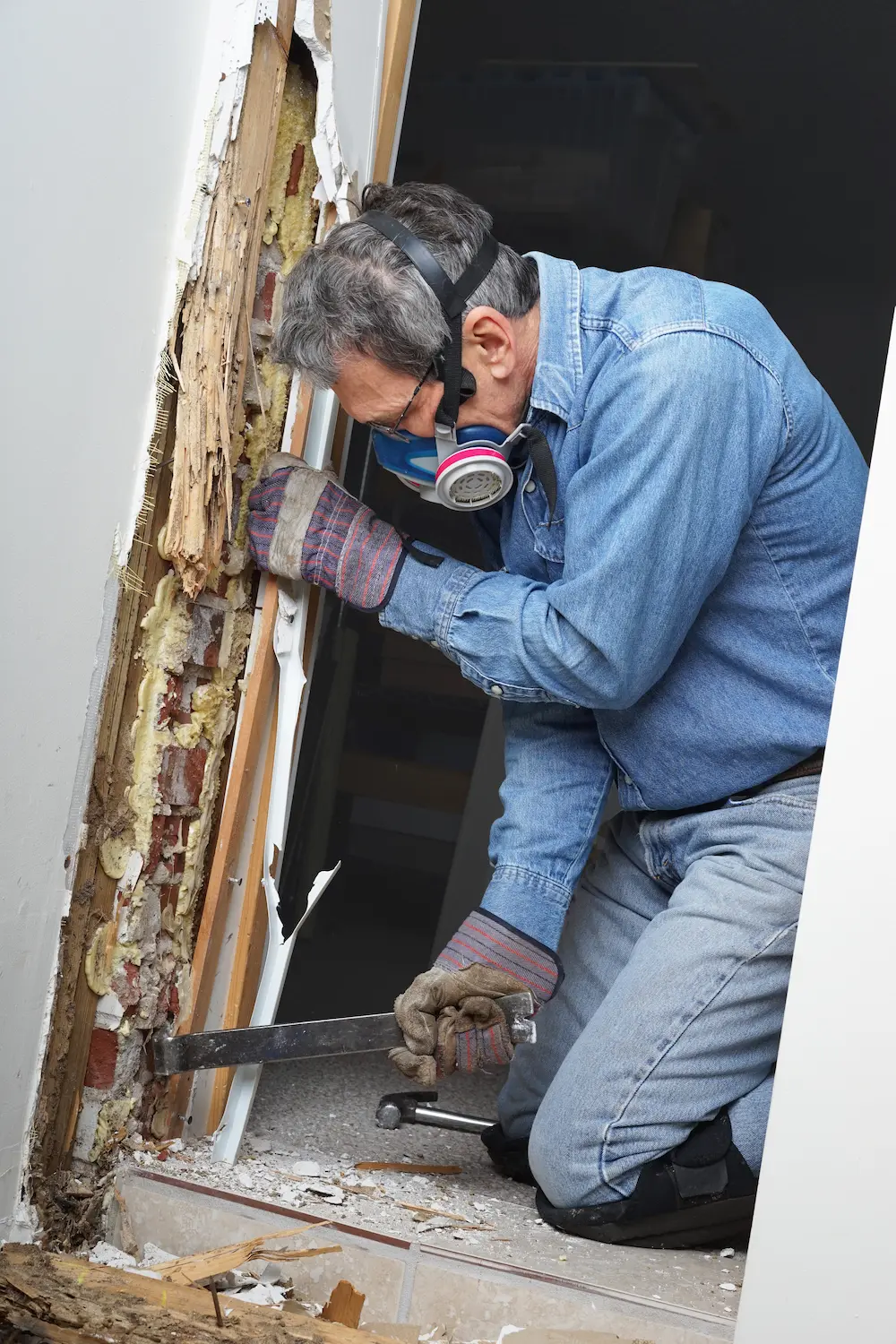
Scheduling termite treatment is usually prompted by one of two moments. Either you have already seen evidence of activity, such as mud tubes, hollow-sounding wood, or a swarm near a window, or you are trying to stay ahead of a known risk before damage starts. In both cases, the work does not begin when the technician rings the bell. Good results often depend on what happens in the day or two before the visit.
Homeowners often assume termite companies handle everything once they arrive. That is only partly true. A skilled technician can inspect, drill, trench, foam, bait, or treat exposed wood, but access matters, timing matters, and so does the condition of the areas being treated. If the perimeter is blocked by stored lumber, the crawl space hatch is buried behind holiday decorations, or a leaking hose bib keeps the soil saturated, the crew loses time and sometimes treatment quality.
Preparing your home for termite control services is less about doing technical pest work yourself and more about removing obstacles, reducing surprises, and helping the treatment reach the places termites actually use. That is where a little planning pays off.
Start by understanding what kind of treatment is being performed
Not all termite jobs are the same, and preparation changes depending on the method. Subterranean termites, which are the most common structural threat in many regions, are usually treated through a liquid barrier around the foundation, a baiting system, or a combination of both. Drywood termites are different. They live inside the wood they consume and may be handled with localized wood treatment, foam injections, heat, or full-structure fumigation in severe cases.
This distinction matters because homeowners often prepare for the wrong service. I have seen people empty kitchen cabinets for a routine exterior trench treatment that never came near the kitchen, and I have seen others leave attic access blocked on the day of a drywood inspection, which delayed the entire visit.
When you book the appointment, ask a direct question: what exactly will be done on the first visit? If the company says they are performing an inspection first, your job is mostly about access and visibility. If they say they will trench soil, drill slabs, or place bait stations, your preparation shifts toward the perimeter, garages, utility areas, and crawl spaces. If the treatment is fumigation, that becomes a much larger logistical event involving food handling, medications, pets, and temporary vacancy.
A reputable provider of termite control services should be comfortable explaining the treatment plan in plain language. If the explanation sounds vague, ask again. Preparation is difficult when the scope is fuzzy.
Clear access beats deep cleaning
Homeowners often overprepare in the wrong ways. They scrub baseboards, mop floors, and reorganize closets, but leave the actual treatment path cluttered. What the technician really needs is room to inspect, room to move, and room to treat.
The exterior perimeter matters most in many termite cases. Liquid treatments usually require access to the foundation wall, adjacent soil, and in some homes the joints where concrete, brick, or stone meet the structure. If thick shrubs, stacked pavers, planters, firewood, or children’s toys line the house, the technician may have to work around them or ask you to reschedule part of the service.
Inside the house, the priorities are different. Areas near plumbing penetrations, garage expansion joints, attic entries, crawl space doors, and unfinished utility spaces matter more than neatly staged living rooms. If an inspector needs to examine baseboards in a finished den, you may only need to pull a sofa a foot or two away from the wall. If they need to inspect a basement sill plate hidden behind storage bins, that becomes more urgent.
The goal is not to make the house look perfect. The goal is to make termite-prone areas visible and reachable.
The outdoor areas that usually need attention first
Most termite treatments begin from the outside because that is where subterranean termites travel, enter, and maintain contact with soil moisture. A technician trying to create a continuous treatment zone around the foundation is looking for weak points, not curb appeal.
Trim back vegetation that presses tightly against the house. Bushes and vines do more than block access. They trap moisture and hide termite shelter tubes. Leave enough space for a technician to see the foundation line clearly. If branches hang low over crawl space vents or shrub roots cover the edge of the slab, clear those too.
Firewood deserves special attention. Many people store it right against the house for convenience, especially near a back door. That is a bad habit in termite country. Wood piles can attract both termites and other wood-destroying pests, and they make inspection nearly impossible. Move them well away from the structure before your appointment. The same applies to scrap lumber, cardboard, landscape timbers, and untreated wood offcuts tucked behind the garage.
Mulch is a smaller issue, but still worth discussing. A thin layer is usually manageable. A deep, damp band of mulch piled against siding or covering weep holes is not. Technicians often need to see the base of the wall, the top of the foundation, and any visible entry points. If mulch is mounded too high, rake it back from the structure.
Irrigation can interfere in subtle ways. Sprinklers that soak the treatment area just before service can make trenching messy and dilute some applications at the surface. If your company gives you instructions on watering, follow them precisely. If not, it is reasonable to ask whether irrigation should be paused the day before or the day of treatment.
Here are the outdoor tasks that solve the most common delays:
- Move firewood, lumber, planters, and stored items away from the foundation.
- Trim shrubs, vines, and groundcover so the base of exterior walls is visible.
- Unlock gates and clear paths to side yards, crawl space doors, and utility areas.
- Rake back excessive mulch or soil that covers the foundation edge or vents.
- Ask whether sprinklers should be turned off before and after treatment.
Those five items handle a surprising share of access problems. They also help the technician spot conditions that made termites likely in the first place.
What to do inside the house before the crew arrives
Interior preparation depends on how much evidence has been found Termite Control Services and whether treatment will occur indoors, outdoors, or both. In many homes, the interior work is limited to inspection and spot treatment in targeted areas. Even then, small adjustments make the visit more efficient.
Start with the garage. It is one of the most overlooked spaces in termite appointments, yet it often contains slab cracks, expansion joints, plumbing penetrations, stored cardboard, and exposed framing. If the garage perimeter is buried behind shelving, paint cans, old rugs, and seasonal storage, clear a path along the walls. You do not need to empty the entire garage, but the technician should be able to reach the edges without climbing over boxes.
Next, think about sinks, bathrooms, laundry areas, and water heaters. Moisture attracts termites indirectly by creating favorable conditions for wood decay and by keeping nearby materials damp. If the company wants to inspect plumbing points or wall voids, these areas should be easy to access. Pull stored items out from under sinks if the company has mentioned interior treatment or moisture inspection.
Closets and finished rooms usually require less effort unless termite activity has already been detected there. If mud tubes have been found behind a dresser or on a bedroom wall, move furniture away ahead of time. If not, leave major furniture where it is until the technician tells you otherwise. Overmoving furniture can waste effort and sometimes create new obstacles.
Crawl spaces and attics deserve special mention. If your home has either one, make sure entry points are not blocked. A crawl space door hidden behind stacked patio chairs, or an attic hatch covered by a wardrobe box, turns a simple inspection into a scheduling problem. Technicians need safe access, and some companies will not enter areas that are too tight, hazardous, or obstructed.
Safety for children, pets, and sensitive household members
Most modern termite treatments are applied in controlled ways and according to label instructions, but preparation should still include common-sense household safety. The exact guidance depends on the product and method, so the company’s directions take priority over generic advice.
Pets are usually the first concern. Dogs that dig near the foundation, chew bait stations, or investigate freshly treated soil need supervision. Cats that slip outdoors through open gates can also complicate service. On treatment day, keep pets secured indoors away from work zones, or arrange for them to stay elsewhere until the crew is finished and any reentry guidance has been met.
Young children are curious by nature and often head straight toward tools, hoses, flags, and drilled areas. If a technician is trenching outside or treating around a slab, it helps to keep children inside or off-site for that window of time. Not because the process is inherently dramatic, but because work proceeds faster and more safely without interruption.
People with chemical sensitivities, respiratory concerns, or medical issues should tell the company ahead of time, not while the truck is in the driveway. In many cases, the company can explain what products are being used, where they will be applied, and whether temporary avoidance of certain areas is wise. That conversation is easier before the appointment than during it.
If fumigation is involved, this becomes a different level of preparation entirely. You will need specific instructions from the provider, usually in writing, covering food and medicine packaging, plant care, alarm systems, and the timeline for leaving and reentering the home. Do not improvise with fumigation. Follow the company’s checklist exactly.
Moisture issues can undermine even a well-executed treatment
One of the most useful things a homeowner can do before termite control services is to address obvious moisture problems. Treatment products can do their job, but if the structure keeps offering termites the conditions they prefer, risk remains higher than it should be.
Leaky hose bibs, poor gutter drainage, downspouts that dump water at the foundation, and persistently damp crawl spaces are common examples. So are air conditioning condensate lines that drip near the slab edge and shower leaks that keep subflooring wet. A Termite Control Services technician may still treat the property, but chronic moisture can limit your long-term results if left alone.
I once saw a home that had been treated more than once over several years. The company’s work was not the issue. The real problem was a downspout discharging into a flower bed at the corner of the house, combined with a grading slope that pushed water back toward the foundation after every storm. The soil stayed damp, mulch stayed soggy, and the corner framing remained attractive to pests. Once the drainage issue was corrected, the treatment strategy started doing what it was supposed to do.
You do not need to complete major drainage projects before every service visit. But if there is an obvious leak or a fix you have postponed for months, handle it. At minimum, point it out to the technician so it becomes part of the assessment.
Be realistic about drilling, trenching, and minor disruption
Homeowners are often caught off guard by the physical nature of termite work. If your treatment plan includes a liquid barrier, there may be trenching along the foundation and drilling through concrete slabs, garage floors, porches, or expansion joints. That does not mean the process is careless, but it does mean the house may not remain visually untouched during the visit.
Technicians usually patch drill holes when the treatment is complete, but the patch may not match decorative finishes perfectly, especially in older concrete or custom surfaces. If you have stamped concrete, specialty tile, expensive pavers, or unusual construction details, mention them before the appointment. The company may be able to explain what to expect or adjust the approach.
This is also the time to mention additions, enclosed patios, previous repairs, or foundation quirks. Older homes, split-levels, homes with radiant heat in the slab, and houses with heavy stone veneer can all affect how a technician plans access and placement. Good termite work is part chemistry and part construction awareness.
A professional crew should explain where they intend to drill or trench before they begin. If they do not, ask. You are not being difficult. You are protecting your property and making sure everyone understands the scope of work.
Documents, repairs, and the questions worth asking
Preparation is not only physical. It also includes having the right information ready. If you have a prior termite report, warranty paperwork, repair invoices, or photos of earlier activity, keep them accessible. These records can help the technician understand whether the issue is new, recurring, or already covered under an agreement.
If you have noticed signs of activity, be specific. “I saw termites in spring” is less helpful than “I saw a swarm near the dining room window after rain in late March” or “there is a pencil-width mud tube behind the water heater.” Details save time. They also help distinguish between active infestation, old damage, and incidental sightings of flying insects that are not termites at all.
These are the questions that usually produce useful answers:
- Will today’s visit be inspection only, treatment, or both?
- Do you need access to the attic, crawl space, garage perimeter, or interior walls?
- Should furniture or stored items be moved before you arrive?
- Are there any watering, pet, or reentry instructions I need to follow?
- If drilling or trenching is planned, where will that occur and how will it be patched?
That list may look basic, but it covers the operational points that most often get missed. Good preparation is not complicated. It is mostly clear communication before work starts.
If your home has a crawl space, basement, or slab foundation, the details change
Foundation type influences both termite risk and the way technicians work. Homes with crawl spaces often need extra attention because the structure includes wood framing close to the soil, sometimes with limited ventilation and occasional plumbing leaks. Preparation here means making access easy and ensuring the crawl space is as safe as possible to enter. If there are obvious hazards such as exposed nails, standing water, torn vapor barriers, or rodent activity, mention that in advance.
Basements create a different set of concerns. Finished basements can conceal activity behind walls and flooring, while unfinished basements often reveal structural wood, sill plates, and utility penetrations. If your basement is used mostly for storage, leave enough clearance near exterior walls for inspection.
Slab homes are common targets for perimeter treatment because termites can travel up from the soil through cracks, expansion joints, or utility openings. In these houses, garages, patio edges, and plumbing entry points matter a great deal. If your slab foundation has had additions or patched areas over time, mention that. Hidden construction changes can influence where termites found a route in.
No two houses are identical, even in the same neighborhood. The best technicians adjust for that. The best homeowners make those adjustments easier by flagging unusual conditions before the work begins.
After the appointment, your job is not quite finished
Preparation also means understanding what happens next. Once treatment is complete, ask the technician to walk you through the results. You want to know where they treated, whether they found active termites, which conditions should be corrected, and when follow-up is recommended.
If bait stations were installed, ask how often they will be monitored and what signs should prompt a call between scheduled visits. If a liquid treatment was applied, ask whether there are any restrictions on digging, landscaping, or watering near the foundation in the immediate aftermath. If interior damage was found, ask whether you need a contractor, a carpenter, or simply monitoring.
This follow-up conversation is often where the value of termite control services becomes clear. Treatment is one part of the job. The rest is prevention, monitoring, and keeping the structure less inviting in the future. A house with corrected drainage, clear inspection zones, and informed owners is much easier to protect than one where moisture, clutter, and hidden access points stay unchanged year after year.
A well-prepared home lets the termite technician spend less time moving obstacles and more time doing skilled work. That can mean a better inspection, a more complete treatment, fewer surprises, and less disruption for you. When the day of service arrives, that is the outcome you want: no confusion, no avoidable delays, just a straightforward job done properly.
Maximum Pest Control
836 NE 7th Terrace Suite #5
Cape Coral, FL 33909
+1 239-772-7363
FAQ About Termite Control Services
What are two signs of a termite infestation?
Mud tubes along a foundation and piles of shed wings near doors or windows are two signs to investigate. Mud tubes are associated with subterranean termites. A licensed inspector can identify the insect and assess whether there is active infestation.
How many years does a termite treatment last?
There is no single timeline for all treatments. The method, site conditions, and maintenance affect how long protection lasts. Bait systems rely on monitoring and service. Ask the provider for the recommended inspection schedule and the terms of any coverage.
Is Termite Treatment Expensive in Cape Coral?
Cost depends on the termite species, the size and construction of the property, the extent of activity, and the treatment method. Request a written estimate after inspection and ask whether monitoring, follow-up visits, and renewals are included.